The technicians in Special Care Counselling helps and supports people who have physical, cognitive, intellectual, emotional and behavioral adaptation difficulties. In this field of study, we learn about human psychology, interventions, the clientele, how to create relationships with them ... In this field of study, the vocabulary is very complex to understand because it concerns psychology, human behavior and different types of clienteles, subjects that are not usually covered. This glossary will help you to understand complex words and be able to converse about atypical people by appearing credible and intelligent.
Adaptation
Noun
A change or the process of change by which an organism or species becomes better suited to its environment.
Example: Our working hypothesis is that social reciprocity deficits in people with AS (Autism) derive from a basic inability to tune one's ADAPTATION strategy to contextual knowledge about the stakes of social interactions.
en: Adaptation
Atypical
Adjective
Not representative of a type, group, or class.
Example: Part of being an engaged caregiver involves recognizing the differences between typical and ATYPICAL development so that one can work with the family to identify potential issues that may require early intervention.
en: Atypique
Autistic Spectrum Disorder
Noun
A developmental disorder of variable severity that is characterized by difficulties in social interaction and communication and by restricted or repetitive patterns of thought and behavior.
Example: One possible reason causing a child to be unpopular may be due to them having an AUTISTIC SPECTRUM DISORDER.
en: Trouble du spectre autisme
Behavior
Noun
The way in which one acts or conducts oneself, especially toward others.
Example: People with intellectual disabilities frequently have some forms of behavioral disorders that may manifest as stereotypies, difficult or disruptive BEHAVIOR, aggressive BEHAVIORS toward other people, BEHAVIORS that lead to injury of the self or others, and destruction of property.
en: Comportement
Comorbidity
Noun
The simultaneous presence of two chronic diseases or conditions in a patient.
Example: This highlights the need in such a patient that whilst addressing the presenting symptoms her COMORBIDITY also needs to treated and the functioning of the respective systems optimised.
en: Comorbidité
Down syndrome
Noun
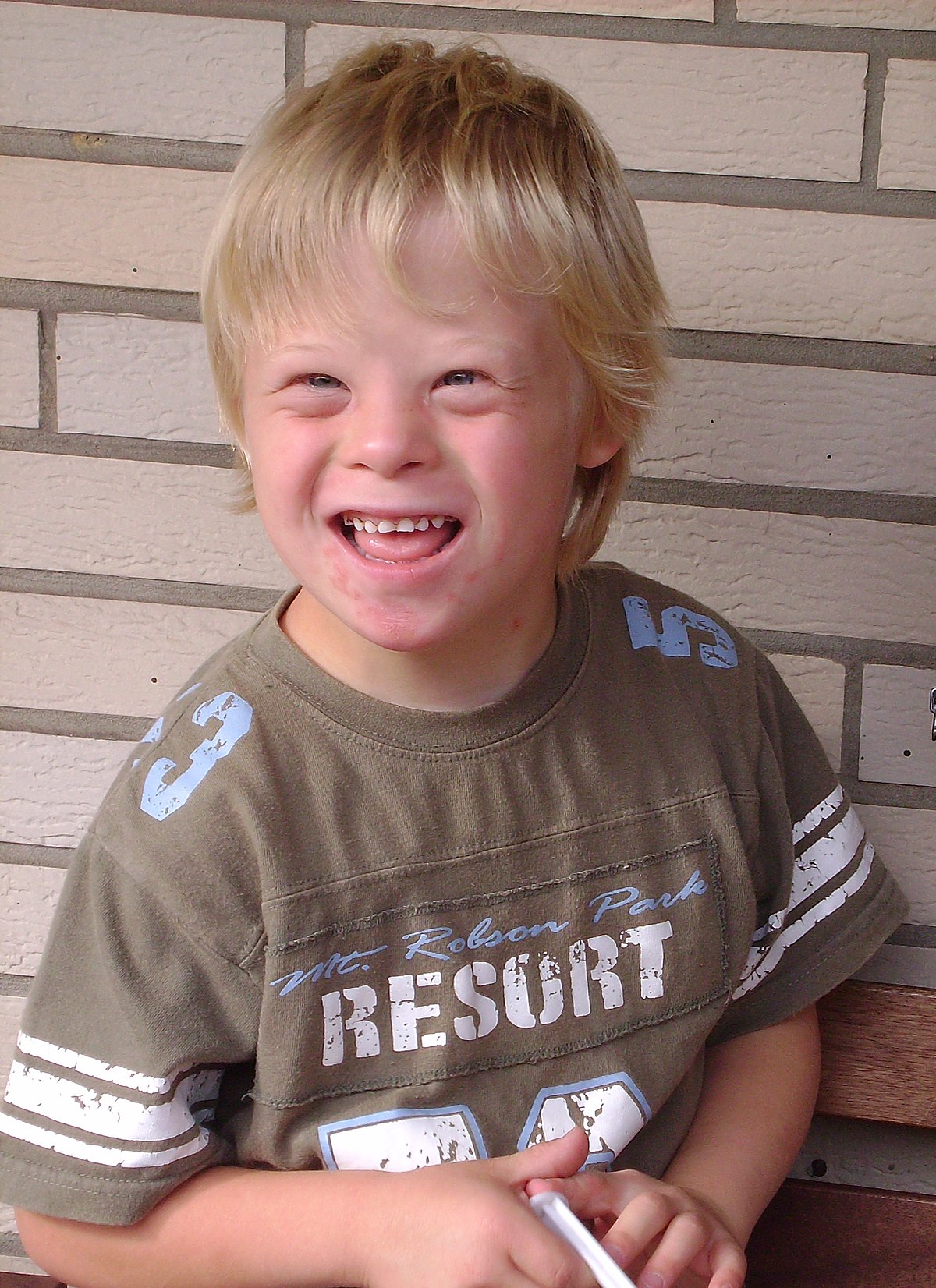
Down syndrome or Down's syndrome, also known as trisomy 21, is a genetic disorder caused by the presence of all or part of a third copy of chromosome 21. It is usually associated with physical growth delays, mild to moderate intellectual disability, and characteristic facial features.
Example: The first indication of language delay in an infant with DOWNS SYNDROME is their delayed onset of canonical babbling.
en: Syndrome de Down
Dyslexia
Noun
A general term for disorders that involve difficulty in learning to read or interpret words, letters, and other symbols, but that do not affect general intelligence.
Example: Living with DYSLEXIA permeates so many important actions of our daily lives. When we think of DYSLEXIA, we naturally think of a difficulty succeeding in school, but it affects more than that.
en: Dyslexie
Empathy
Noun
The ability to understand and share the feelings of another.
Example: Counselling EMPATHY requires constant testing because we can never be certain that what we believe to be the feelings and attitudes of the counsellees are accurate.
en: Empathie
Equity
Noun
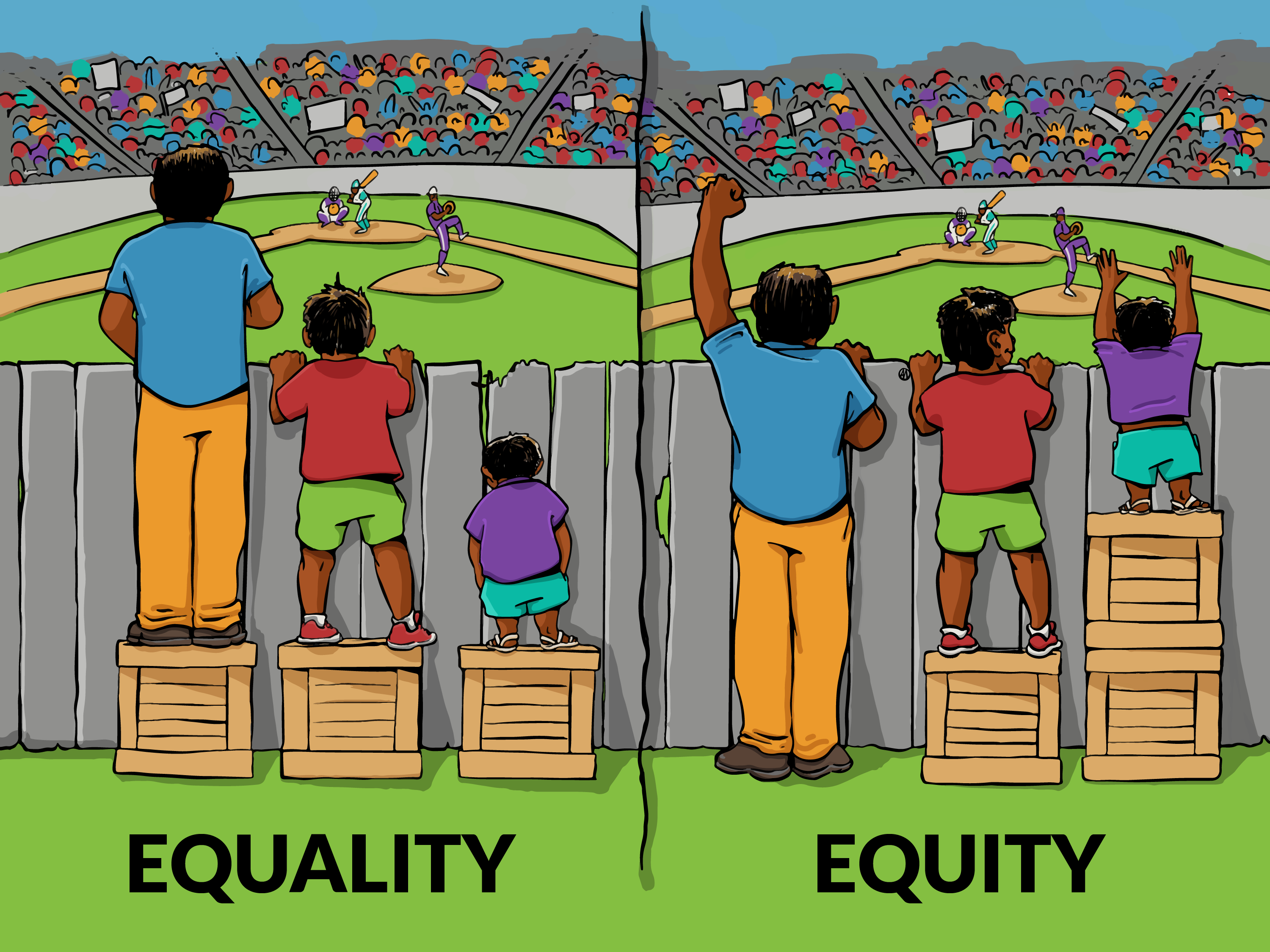
The quality of being fair and impartial.
Example: The notion of EQUITY transcends equality. Some inequalities may be unavoidable and therefore are not generally considered unjust.
en: Équité
Ethnocentrism
Noun
The belief in the inherent superiority of one's own ethnic group or culture.
Example: Deep-rooted Chinese ETHNOCENTRISM, the resentment against unwanted Western intrusion and the tendency of any society that has been seriously disturbed by internal disorders to seek an external scapegoat accounts largely for the Boxer Rebellion, which occurred when the 19th Century drew to a close.
en: Ethnocentrisme
Fine motor skills
Noun
Fine motor skills generally refer to the small movements of the hands, wrists, fingers, feet, toes, lips, and tongue.
Example: A child must perfect their FINE MOTOR SKILLS in order to manipulate a pencil to produce letters.
en: Motricité fine
Intellectual disability
Noun
Intellectual disability involves problems with general mental abilities that affect functioning in two areas: intellectual functioning (such as learning, problem solving, judgement) adaptive functioning (activities of daily life such as communication and independent living).
Example: Many families care for a person who has an INTELLECTUAL (or developmental) DISABILITY. It could be a young child, an adult child who lives at home with his or her parents, or even an adult sibling.
en: Déficience intellectuelle
Open-minded
Adjective
The quality of being willing to consider ideas and opinions that are new or different to your own.
Example: She is honest and OPEN-MINDED and described herself as being a perfectionist who likes order. said that she can be oversensitive and take things to heart.
en: Ouvert d'esprit
Phoneme
Noun
Any of the perceptually distinct units of sound in a specified language that distinguish one word from another, for example p, b, d, and t in the English words pad, pat, bad, and bat.
Example: The Japanese babies will no longer perceive r and l differently after they are around six months old (Butterworth & Harris, 2002) when their PHONEME recognition ability becomes similar to an adult's.
en: Phonème
Precocious
Adjective
(Of a child) Having developed certain abilities or proclivities at an earlier age than usual.
(Of behavior or ability) Indicative of early development.
Example: Peripheral PRECOCIOUS puberty occurs when hormonal influences originating outside of the HPG axis produce incomplete, atypically sequenced or rapid pubertal progression.
en: Précoce
Prejudice
Noun
Preconceived opinion that is not based on reason or actual experience.
Example: Attitudes borne of ignorance and PREJUDICE label some varieties sub-standard because of their association with groups of low social status.
en: Préjugé
Protection factor
Noun
Protective factors are conditions or attributes (skills, strengths, resources, supports or coping strategies) in individuals, families, communities or the larger society that help people deal more effectively with stressful events and mitigate or eliminate risk in families and communities.
Example: Some risk and PROTECTIVE FACTORS are fixed: they don’t change over time. Other risk and
PROTECTIVE FACTORS are considered variable and can change over time.
en: Facteur de protection
Risk factor
Noun
Something that increases a person's chances of developing a disease.
Example: The alcohol abuse does not appear to be a current issue and is not mentioned in his current CPA document; however, since it was a contributing factor to his last admission, I think it is something which should be identified as a RISK FACTOR for relapse and is also perhaps an area which needs further in depth assessment.
en: Facteur de risque
Schizophrenia
Noun
Schizophrenia is a serious mental disorder in which people interpret reality abnormally. Schizophrenia may result in some combination of hallucinations, delusions, and extremely disordered thinking and behavior that impairs daily functioning, and can be disabling.
Example: Furthermore, the symptoms of even full - blown affective psychosis and SCHIZOPHRENIA overlap considerably, suggesting that they simply represent different ways in which a common tendency to insanity can manifest itself.
en: Schizophrénie
Self-regulation
Noun
Self-regulation is the ability to monitor and manage your energy states, emotions, thoughts, and behaviors in ways that are acceptable and produce positive results such as well-being, loving relationships, and learning.
Example: An adult with poor SELF-REGULATION skills may lack self-confidence and self-esteem and have trouble handling stress and frustration. Often, this might be expressed in terms of anger or anxiety, and in more severe cases, may be diagnosed as a mental disorder.